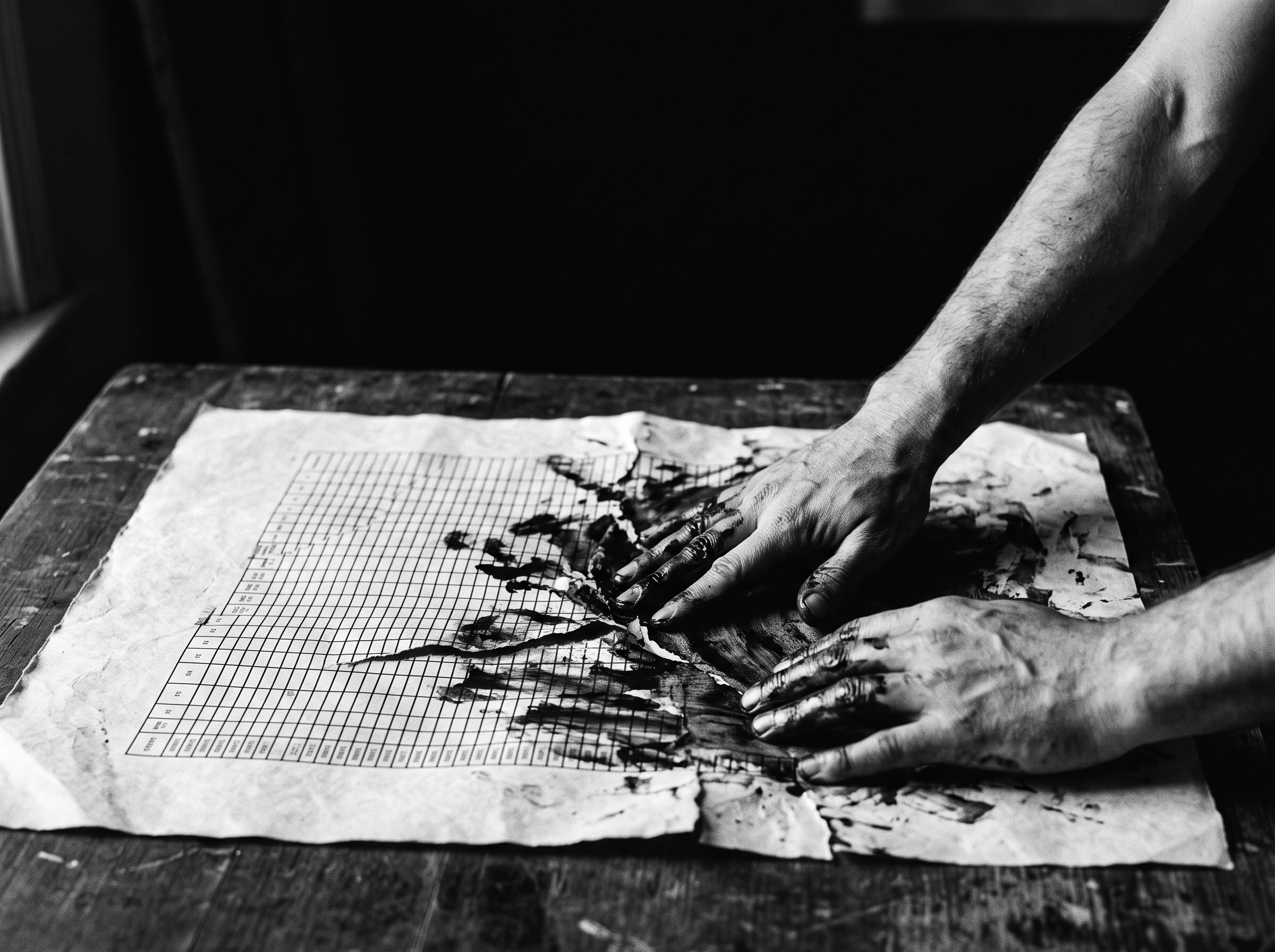
That question is more useful because it has a practical answer. A model produces the average of everything it has seen. A person produces the consequence of everything they have refused. The refusal is the work.
For most of the last century originality was measured by whether a thing had been seen before. That measure is now worthless, because novelty is cheap and infinite. What remains expensive is commitment: the willingness to stay with one narrow idea long enough that it begins to resist you.
Human-led work reads differently for a simple reason. Decisions accumulate. You can feel where somebody changed their mind, where they kept something that did not quite work because removing it would have been dishonest.
The studios producing the strongest work are not avoiding these tools. They are putting them somewhere specific and keeping them there: generating variations nobody will see, testing a composition at three in the morning, filling in the tedious middle of a long sequence.
What they do not do is let the tool make the final call. The last decision stays with a person, because the last decision is the one that carries a point of view.
Process becomes the artefact. When the output is trivially reproducible, the record of how it came to exist is the part that cannot be copied.
That is why more artists are publishing their failures alongside their finished pieces. Not as humility, and not as content, but because the failures are the only reliable proof that a human was ever in the room.
Jayson Castle
Visual Artist / Creator